
Tracing the Impact of High Heel Fashion on Gender Norms Throughout History
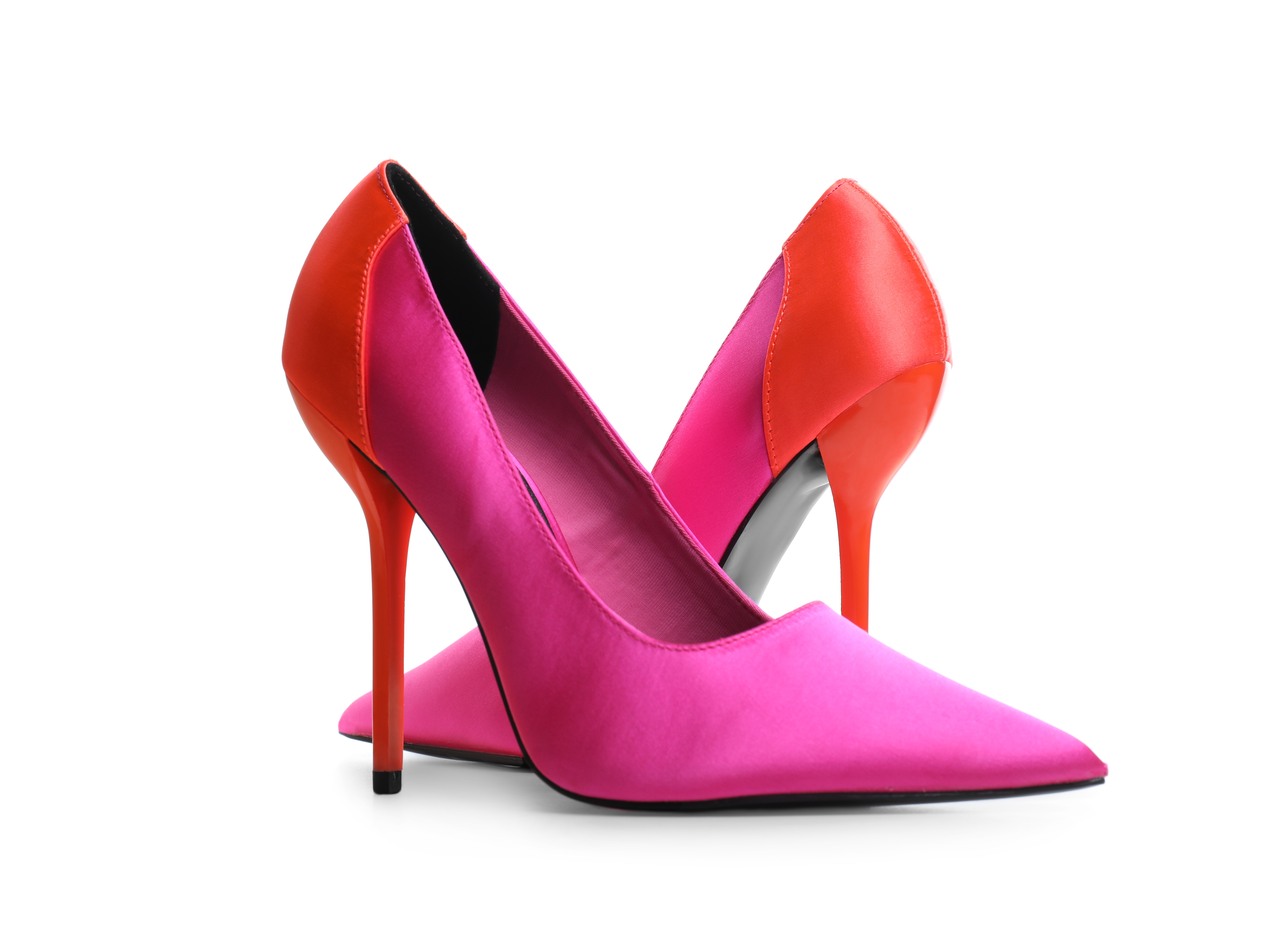
High heels are more than just a fashion statement; they have a rich history intertwined with notions of power, gender, and societal status. From their origins as symbols of male authority to their controversial position in contemporary fashion, high heels reflect the evolving landscape of gender norms throughout history.
The Origins of High Heels: A Symbol of Power
High heels can be traced back to ancient civilizations where both men and women wore elevated footwear for practical reasons. In 10th-century Persia, soldiers wore heels to help secure their feet in stirrups while riding horses. This functionality later caught on in Europe during the 16th century where heels became synonymous with wealth and power, especially among the aristocracy. Men such as King Louis XIV donned extravagant heeled shoes as a display of status, reinforcing that high heels were initially a symbol not just for women but for men in positions of authority.
High Heels Enter the Realm of Women’s Fashion
As time progressed into the 17th century, high heels began to transition into women’s fashion. The French court set trends that were quickly adopted by women across Europe. High heeled shoes became associated with femininity and beauty, often linked to social status and desirability. This shift marked a significant moment where women’s attire began reflecting societal expectations around gender roles—feminine allure was increasingly tied to physical appearance and stature.
The Evolving Perception: Feminism and Footwear Controversies
By the late 20th century, high heels had become emblematic not only of femininity but also sparked debates surrounding gender equality and feminism. While many embraced high heels as an empowering accessory that allowed women to assert dominance in professional settings, others criticized them for perpetuating unrealistic beauty standards and discomfort. This duality highlighted how something as simple as footwear could evoke strong opinions about women’s choices—whether they indicated empowerment or oppression.
Cultural Influences on High Heel Fashion
Various cultures have embraced or rejected high heel styles based on their unique interpretations of femininity and masculinity. In some Eastern cultures, traditional footwear has included elevated designs that signify elegance or rank within society. Conversely, certain feminist movements have actively campaigned against high heel culture citing issues like objectification or body image concerns related to wearing them regularly.
The Future of High Heels: Redefining Gender Norms
Today’s fashion scene sees a melding between comfort and style with brands innovating more inclusive designs that challenge traditional notions associated with high heel wearers. Unisex styles are gaining traction while designers are creating options that prioritize comfort without sacrificing aesthetics—reflecting society’s broader movement towards inclusivity regarding gender norms in fashion.
The journey from status symbol to source of controversy illustrates how deeply entrenched our perceptions about clothing—and specifically about shoes—are within society’s expectations surrounding gender roles. As we continue to navigate these complex narratives through fashion choices like high heels, it remains crucial to recognize both their historical significance and contemporary implications.
This text was generated using a large language model, and select text has been reviewed and moderated for purposes such as readability.